Health Without Waiting Rooms
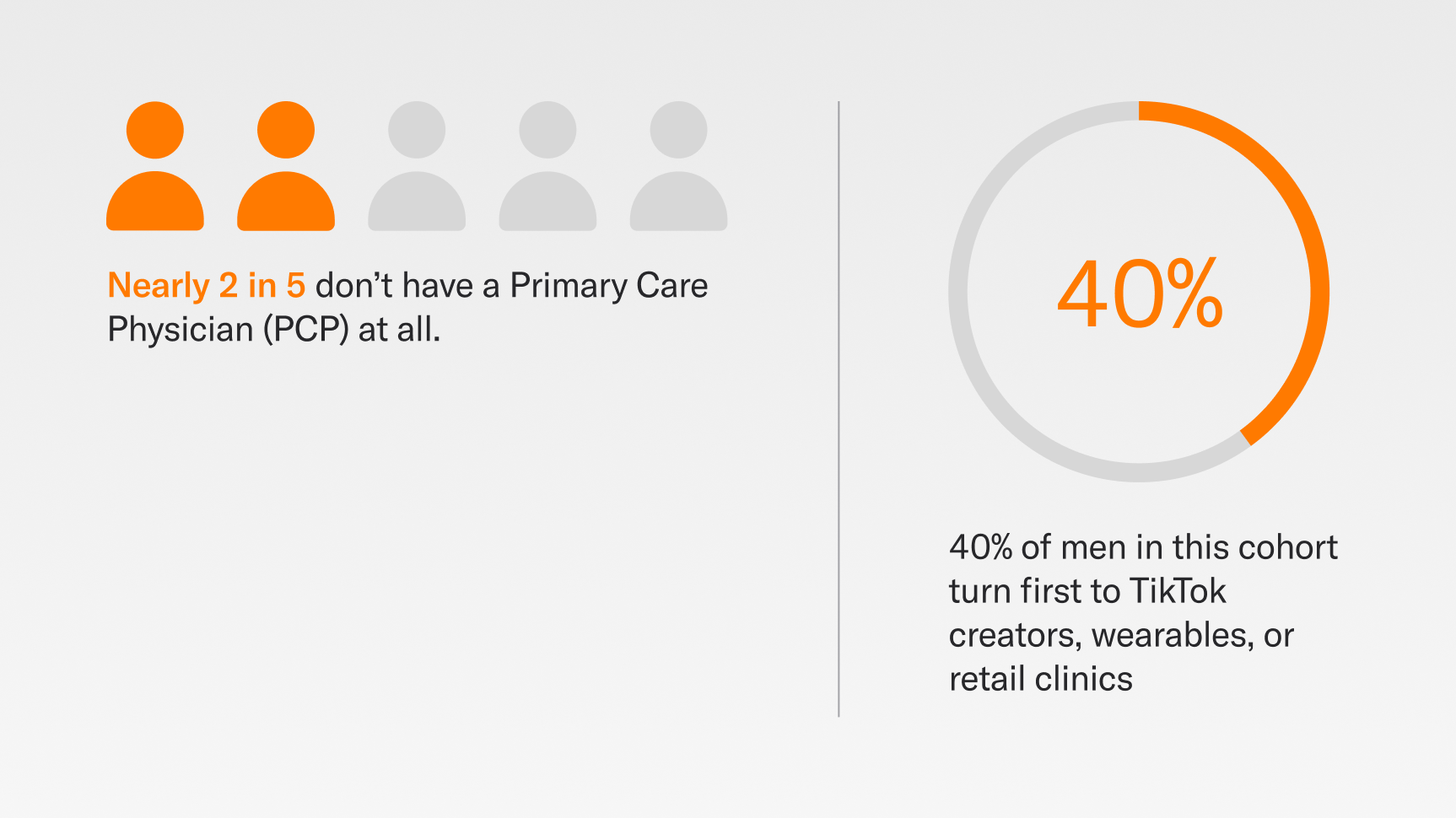
The primary care physician has long been the anchor of U.S. healthcare. But Gen Z is opting out. More than a third of Gen Z don't have a PCP, and 40% of men in this cohort turn first to TikTok creators, wearables, or retail clinics. For them, healthcare doesn’t exist in waiting rooms—it exists in their feeds and on-demand. And what’s disappearing isn’t just the waiting room, it’s the entire model of episodic, location-bound care. More than matter of convenience; this represents a structural shift in distribution.
They’re also rewriting the rules of access. Urgent health questions are answered by Reddit, AI chat, or group text before a doctor’s appointment is even considered. A survey from Aflac found that 32% of Gen Zers say they don't keep up with routine visits because they don't like or trust doctors—the highest of any generation. If a service isn’t embedded in daily life, it simply doesn’t exist.
Insights Without Intermediaries
Gen Z doesn’t just want answers faster—they want them clearer. Traditional encounters leave many patients confused, leading them to WebMD, influencers, and AI for second takes. 8 in 10 consumers aged 18–24 are willing to use generative AI in healthcare, reflecting how normalized digital health tools have become. The rise of low-cost diagnostics accelerates this shift. A $499 full-body MRI or direct-to-consumer blood panels from Quest or Function Health put information in their hands—on demand, same-day, no physician gatekeeper required.
Testing is no longer constrained to the clinic—it’s portable, consumer-initiated, and repeatable. That frequency creates a rich data stream, but only if healthcare leaders can build products that connect the dots, translate results, and teach consumers how to act on them.
“Gen Z isn’t rejecting healthcare—they’re rejecting a system that doesn’t fit the way they live, learn, and spend. Designing products and services that meet them where they are isn’t optional. It’s the next business model of care.”
Lucas Werthein
Cactus, COO
The Experience Economy
This generation already normalizes paying directly when the value is clear. They’re spending on fitness, mental health, and wellness memberships at record levels — from ClassPass to Calm, Steppen to WHOOP — showing that transparency and experience matter more than traditional coverage. The healthcare market is starting to respond: you can see it in One Medical’s tiered membership model, in the rise of Direct Primary Care offerings, and in a wave of new “direct-to-consumer” health products that mirror the usability and trust of their favorite lifestyle brands.
Meanwhile, the financial rails of healthcare are shifting in their favor. HSA balances reached nearly $174 billion across 41.7 million accounts at year-end 2025—a 19% year-over-year increase—and ICHRA stipends are scaling across workforces. For a cohort comfortable with subscriptions, stipends, and "choose-your-own" benefits, these dollars are becoming the new health wallet—for prevention, diagnostics, and hybrid care experiences.
A Infrastructure of Agency
The throughline across how Gen Z lives, learns, and spends is agency. They expect faster insights, flexible dollars, and experiences that move with them—not around them. Platforms that make health feel as usable as Spotify or as engaging as Discord will define this decade.
So what should innovators and health systems actually do? A few starting points:
Design for translation, not just access. Test results, biometrics, and diagnostics are only valuable if they’re clear. Build tools that turn raw data into daily choices.
Shift from benefits to budgets. Portable stipends, HSAs, and direct-pay models are the new financial rails. Systems should plan for consumers who want to allocate dollars across prevention, diagnostics, and hybrid care.
Bridge digital and human guidance. Gen Z trusts platforms, but they also want a human in the loop. Roles like Care Counselors—part coach, part navigator—will be essential.
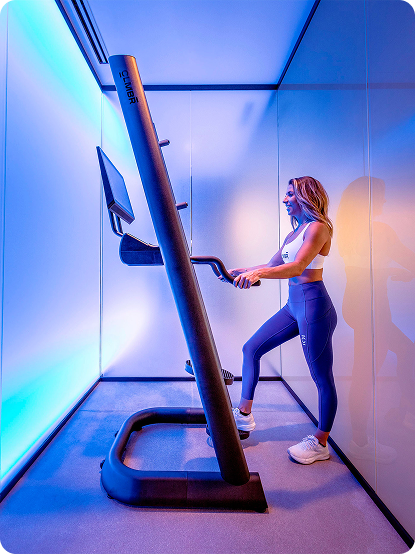
Embed health in lifestyle venues. Prevention doesn’t have to live in hospitals. Hybrid studios, wellness pop-ups, or workplace offerings can bring care into the flow of everyday life.
Measure trust by usability. If an experience isn’t intuitive, it isn’t trusted. UX isn’t window dressing—it’s the frontline of credibility.
At Cactus, we view these not as side experiments, but as the infrastructure of a new health economy. Healthcare’s future won’t be won by clinging to the PCP model. It will be won by designing for agency, convenience, and trust at scale.