A Frequent Flyer’s Guide to Healthcare Experience
In air travel, things go wrong all the time. Flights get delayed. Crews time out. Weather hits. But when a system is designed with care for both the traveler and the team, those moments don’t have to feel like failures — they can become proof points.
On a recent United flight into Dulles, I was cutting it close. A tight connection, a delayed arrival. But United’s system knew that. They’d calculated which travelers were inbound, weighed the operational impact, and made a call: hold the flight. Then, they went one step further. A member of United’s Premium Services team met me on the tarmac and drove me to my next gate. I made the meeting. The plane left on time. Everyone won.
That’s not luxury. That’s system design working as intended. And it’s exactly where healthcare is behind.
This is a frequent flyer’s guide to improving healthcare. Not because the industries are identical, but because one has invested in mutual enablement, and the other hasn't. Here's what healthcare can learn.
Designing for Both Sides
Airlines design for both sides of the experience. The traveler, yes, but also the ground crew, the flight staff, the agents at the gate. Everyone has a role. Everyone has tools. Everyone benefits when those tools are well-designed.
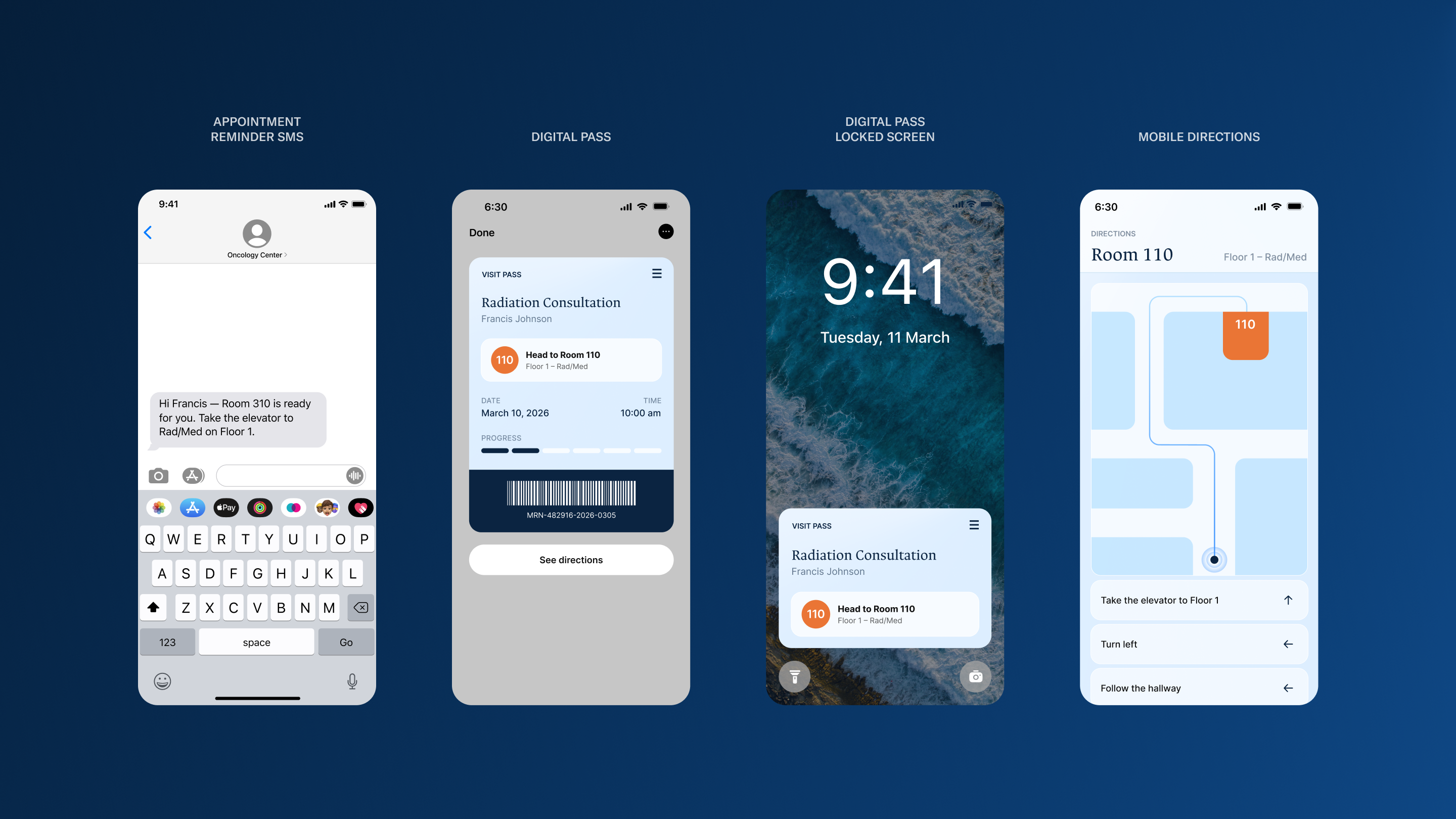
Take United's fast bag drop. To a traveler, it's a convenience. To the airline, it's a labor-saving mechanism. You scan, you tag, you go, and in doing so, you take pressure off the desk. Or take the app: it's not just a boarding pass. It's a real-time coordination tool that empowers gate agents, flight crews, and travelers alike. It doesn't just share information; it aligns action.
Healthcare rarely works this way. In my work with an outpatient cancer center, I saw it firsthand. We were supporting chemotherapy delivery, a setting that, like flying, runs on scheduled precision. You arrive. You get labs drawn. Those labs determine your meds. The meds take hours. It’s a system built on flow.
But the tools weren't there. Teams were flying blind. Lab running ahead? You wouldn't know. Pharmacy behind? No one could say. Patients got stuck. Staff got frustrated. And the worst part? Everyone started blaming each other: reception, labs, nursing, even the doctors. No one had enough visibility to do their job well.
Poor coordination isn’t just a patient problem — it erodes trust across the entire system.
Airlines have the same complexity, often more given their scale. But they build with the assumption that both sides need clarity. That assumption changes everything.
Loyalty Is a System, Not a Perk
You might’ve noticed I’ve mentioned United a lot. That’s not just preference, it’s proximity. I’m a card-carrying United million-miler, MileagePlus member since 1992 (thanks dad!). And while I’m fully aware that my experience isn’t universal, I’ve come to believe that loyalty has real operational value. Over time, consistency and investment in a brand can create a different kind of relationship, one that tends to matter most when something breaks.
If a flight gets cancelled, I don’t just get a notification. I get a plan: a new itinerary, a hotel booking, ground transport, even a toothbrush if I need it. No one’s pretending it’s ideal, but it’s managed. It’s expected. There’s a system for disruption, not just a shrug.
United isn’t fixing delays. They’re planning for them. They’re being transparent about them. And they’ve built recovery into the experience. That’s what makes it work.
In healthcare, we don’t have that. You miss a slot. A lab’s delayed. A scan’s cancelled. And suddenly, your entire day and your entire course of treatment feels unanchored. No one explains. No one texts. No one tells you what’s next.
“Transparency isn’t a premium feature. It’s table stakes. In healthcare, it’s still seen as optional. That offends me.”
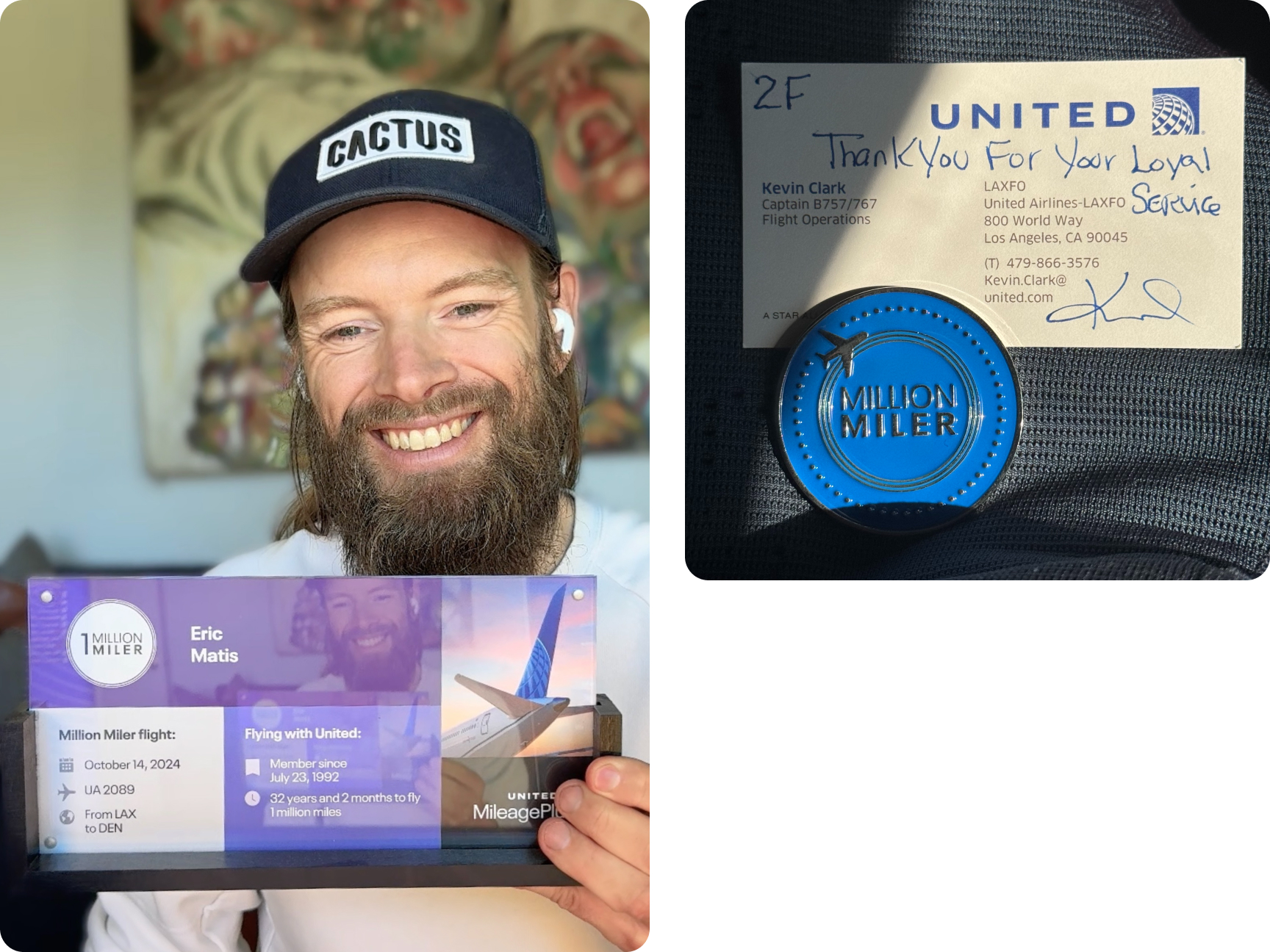
Loyalty in airlines is a business imperative. In healthcare, it's not. But if you're serious about trust, about experience, about differentiation, this is the work.
If you’re happy competing for a captive audience, this probably doesn’t matter to you. But if you’re trying to be chosen — by patients, by partners, by talent — it should.
What Healthcare Leaders Should Be Asking
We don’t need more slogans about empathy. We need operational alignment. Start with questions like:
- Are we designing for both patients and the teams who support them?
- Are our communication systems proactive or performative?
- What does loyalty look like in our context, and are we earning it?
- Are we prepared for failure, or just hoping it doesn’t happen?
In aviation, experience has been operationalized.
In healthcare, it’s still treated as a nice-to-have.
To be totally honest? That’s not good enough.